




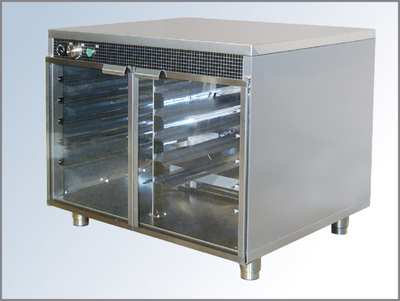
leavening cell
Leavening process
Yeast
The process lievitativo is determined by biochemical transformations operate from yeasts (fungi formats from a single type of eukaryotic cell) and from lactic acid bacteria (Lactobacilli and Streptococci).
In a dough of flour and water these microorganisms favor the fermentation of the sugars with the production of carbon dioxide, lactic acid propionic acid, alcohol acetic acid.
The set of these biological processes are commonly defined as “fermentation” and constitutes the salient part in the production process of the masses leavened.
The gas (carbon dioxide) is trapped in the gluten protein network and form bubbles that increase the volume and make a soft dough (leavening process).
The microorganisms that develop in the dough acid produced during the fermentation substances that determine the flavor, digestibility and shelf life of the masses leavened sourdough. By the fermentation of yeast and lactic acid bacteria has origin also a substance that helps to slow down the staling of the product: the glycerin, which works as a natural emulsifier and also has a mild anti-mold effect.
The rise can be obtained with extracts derived from other foods, such as wine and beer.
Even today, the compressed yeast (Saccharomyces cerevisiae) is used for breadmaking. In this case, however, the leavening triggers a predominantly alcoholic fermentation. In the production of the masses leavened, the best rise, however, remains that acidic, slow and natural, which exploits the ability of fermentation intrinsic to the flour. This leavening, in fact, both for the acid environment in which it takes place both for the time employed, is able to act the phytase enzymes that inactivate phytic acid, a compound present in the cortical part of the grain, which tends to prevent the absorption from the intestine of some important minerals including calcium, iron, magnesium and zinc.
THE VARIOUS TYPES OF FERMENTATION:
LACTIC: bacterial fermentation very valuable, because thanks to the acidity will produce a pleasant taste and a good degree of digestibility and shelf-life of foods.
Is performed by the class of bacteria called lactobacilli, able to transform the glucose into lactic acid into an environment free of oxygen (anaerobic transformation). These kind of transformation is also performed in our muscles when we perform an effort that exceeds the available oxygen in the muscle.
Propionic: is the transformation of lactic acid in propionic acid and carbon dioxide. Acid also present in our intestines, produced by the bacterial flora for fermentation of soluble fiber introduced with food. It ‘important since it inhibits the HMGC CoA reductase, a key enzyme in cholesterol synthesis.
CONTENT: This is done by yeast (Saccharomyces) that convert the sugars into alcohol. (Anaerobic transformation).
During the process of fermentation, yeasts produce another large range of substances by the acid to succinic aromatic esters (combinations of acids and alcohol), sulfur products reminiscent of the scent smoked. Furthermore, throughout the process the yeast cells in the die, and the disintegration of these in the food it integrates especially of vitamins of group B, increasing the nutritional value compared to the starting ingredients.
ACETIC: is a secondary fermentation to alcoholic fermentation, in which the alcohol is converted into acetic acid by acetic acid bacteria in the presence of oxygen. Thus the fermentation is on the liquid surface, where the acetic acid bacteria form, together with other microorganisms, a film called “mother”. Acetic acid is a very effective preservative, inhibiting the growth of most microbes also feared Clostridium botulinum, already at a concentration of 0.1%. (= 1 teaspoon in a cup of water).
Note: The chemical structure of acetic acid is much more similar to that of a fat that is not the water, and this is very effective as a detergent to degrease surfaces and dishes but also to remove unwanted odors, because the aromatic molecules of the foods are chemically fats.
Needless to say, the chemical leavening made often in the food nowadays, especially for confectionery products, using tartaric acid and sodium or ammonium bicarbonate to produce carbon dioxide (baking powder), has very little to do with the natural fermentation processes able to make more assimilable starch and to increase the protein content, enzymatic and vitamin flour.
Different types of yeast are used depending on the products you want to accomplish. Master plan:.
Processo di lievitazione
Lievito
Il processo lievitativo è determinato dalle trasformazioni biochimiche operate da lieviti (funghi formati da un unico tipo di cellula eucariota) e da batteri lattici (Lactobacilli e Streptococchi).
In un impasto di farina e acqua questi microrganismi favoriscono la fermentazione degli zuccheri con produzione di anidride carbonica, acido latticoacido propionico, alcolacido acetico.
L’insieme di questi processi biologici sono comunemente definiti “fermentazione” e costituisce la parte saliente nel processo di produzione delle masse lievitate.
Il gas (anidride carbonica) rimane intrappolato nel reticolo proteico del glutine e forma bolle che fanno aumentare di volume e rendono soffice l’impasto (processo di lievitazione).
I microrganismi che si sviluppano nell’impasto acido producono, durante la fermentazione, sostanze che determinano l’aroma, la digeribilità e la conservabilità delle masse lievitate a pasta acida. Dalla fermentazione dei lieviti e dei batteri lattici ha origine anche una sostanza che contribuisce a rallentare il raffermamento del prodotto: la glicerina, che funziona da emulsionante naturale ed ha anche un lieve effetto antimuffa.
La lievitazione può essere ottenuta con estratti ricavati da altri alimenti, come il vino e la birra.
Ancora oggi, il lievito compresso (Saccharomyces cerevisiae) viene utilizzato per la panificazione. In questo caso, però, la lievitazione innesca una fermentazione prevalentemente alcolica. Nella produzione delle masse lievitate, la miglior lievitazione, invece, rimane quella acida, lenta e naturale, che sfrutta la capacità di fermentazione intrinseca alla farina. Questa lievitazione, infatti, sia per l’ambiente acido in cui si svolge sia per il tempo impiegato, è in grado di far agire le fitasi, enzimi che inattivano l’acido fitico, un composto presente nella parte corticale del grano, che tende ad impedire l’assorbimento da parte dell’intestino di alcuni importanti minerali fra cui il calcio, il ferro, il magnesio e lo zinco.
I VARI TIPI DI FERMENTAZIONE:
LATTICA: fermentazione batterica assai preziosa, poiché grazie all’acidità si produce un gusto gradevole ed un buon grado di digeribilità e di conservabilità degli alimenti.
Viene eseguita dalla classe dei batteri chiamati lattobacilli, in grado di trasformare il glucosio in acido lattico in un ambiente privo di ossigeno (trasformazione anaerobica). Questi tipo di trasformazione viene eseguita anche nella nostra muscolatura, quando eseguiamo uno sforzo che supera le disponibilità di ossigeno del muscolo.
PROPIONICA: è la trasformazione dell’acido lattico in acido propionico ed anidride carbonica. Acido presente anche nel nostro intestino, prodotto dalla flora batterica per fermentazione delle fibre solubili introdotte con gli alimenti. E’ importante poiché inibisce l’HMGC CoA reduttasi, un enzima chiave nella sintesi del colesterolo.
ALCOLICA: Viene eseguita da lieviti (Saccaromiceti) che trasformano gli zuccheri in alcol. (trasformazione anaerobica).
Durante il processo di fermentazione i lieviti producono anche un‘altra ampia gamma di sostanze, dall’acido succinico ad esteri aromatici (combinazioni di acidi ed alcol), prodotti solforati che ricordano il profumo affumicato. Inoltre durante tutto il processo le cellule di lievito in parte muoiono, ed il disgregarsi di queste nell’alimento lo integra soprattutto di vitamine del gruppo B, aumentandone il valore nutrizionale rispetto agli ingredienti di partenza.
ACETICA: è una fermentazione secondaria alla fermentazione alcolica, in cui l’alcol viene trasformato in acido acetico da batteri acetici in presenza di ossigeno. La fermentazione avviene perciò sulla superficie del liquido, dove i batteri acetici formano, insieme ad altri microrganismi, una pellicola chiamata “madre”. L’acido acetico è un conservante molto efficace, inibendo la crescita della maggior parte dei microbi anche del temuto Clostridium botulinum, già ad una concentrazione di 0,1%. (= 1 cucchiaino da tè in una tazza d’acqua).
Nota: La struttura chimica dell’acido acetico è molto più simile a quella di un grasso che non all’acqua, e per questo è molto efficace come detergente per sgrassare superfici e stoviglie ma anche per rimuovere odori indesiderati, perché le molecole aromatiche degli alimenti sono chimicamente dei grassi.
Inutile dire che la lievitazione chimica operata spesso nelle industrie alimentari al giorno d’oggi, soprattutto per i prodotti dolciari, usando acido tartarico e bicarbonato sodico o ammonico per produrre anidride carbonica (lievito chimico), ha ben poco da spartire con i processi fermentativi naturali in grado di rendere più assimilabile l’amido e di incrementare i contenuti proteici, enzimatici e vitaminici delle farine.
Sono impiegate diverse tipologie di lievitazione in funzione dei prodotti che si vogliono realizzare. Schema orientativo:
Filed under: Broadcasting_italian_restaurant | Tagged: acido acetico, alcoholic fermentation, fermentation of yeast, gas, lievito, natural emulsifier, processo, trasfarmazione, yeast saccharomyces cerevisiae | Leave a comment »


 Executive Chef Supervisor








 Chef Executive GianMaria Le Mura